
Colorado State in the Portal Era
With players constantly on the move, Colorado State is focused on finding the right fit and creating a reason to stay
Liv Sewell
College basketball’s transfer portal is the closest thing the sport has to a Wild West.
There are no tumbleweeds or saloons, but there is a similar kind of movement — players drifting from one place to the next, chasing something which feels different from where they last were.
Since 2018, it’s turned roster-building into something closer to a scramble than a blueprint, most of it crammed into those restless weeks after the season ends. The dust barely settles before it’s kicked up again.
“It's just become a lot easier for kids to transfer now,” said women’s basketball coach Ryun Williams. “And that's the biggest difference. And that's why people call it the Wild West. Before, there was the penalty that you had to sit a year. But now it's just a part of our game. And you plan for it in your recruiting. You're probably over-signing in anticipation that kids are probably going to leave. Nobody's immune to it.”
It’s something his team knows too well. Last season brought them to the mountaintop — March Madness — but the weeks after a historic run were anything but calm. Because though a basketball season seems contained between September and March, the entire year has become a hunting ground for something newer, something better.
In many ways, it overshadowed the things which had defined the winning season, leaving little room for the coaching staff to revel in what they had accomplished.
“I think it's exciting, but it's exhausting,” assistant coach Rico Burkett said. “Coming off the high of getting to the national tournament in the season that we had, you have very little time to celebrate it because then the very next week, we're right in immediately discussing who are potential kids that we can attract and how we fill these needs.”
In a way, recruiting doesn’t really end anymore. It just changes form. High school prospects are still part of it, sure, but now there are second looks and second chances in the portal. The process feels familiar — phone calls, campus visits, film breakdowns — but the timelines are tighter, the decisions a little more urgent, the bets a little more calculated.
And commitment? It doesn’t quite mean what it used to. Not in a bad way, just a different one. In this version of things, movement is built in. There’s always another option, another system, another place which might fit a little better. CSU, like many schools, is trying to be that place.
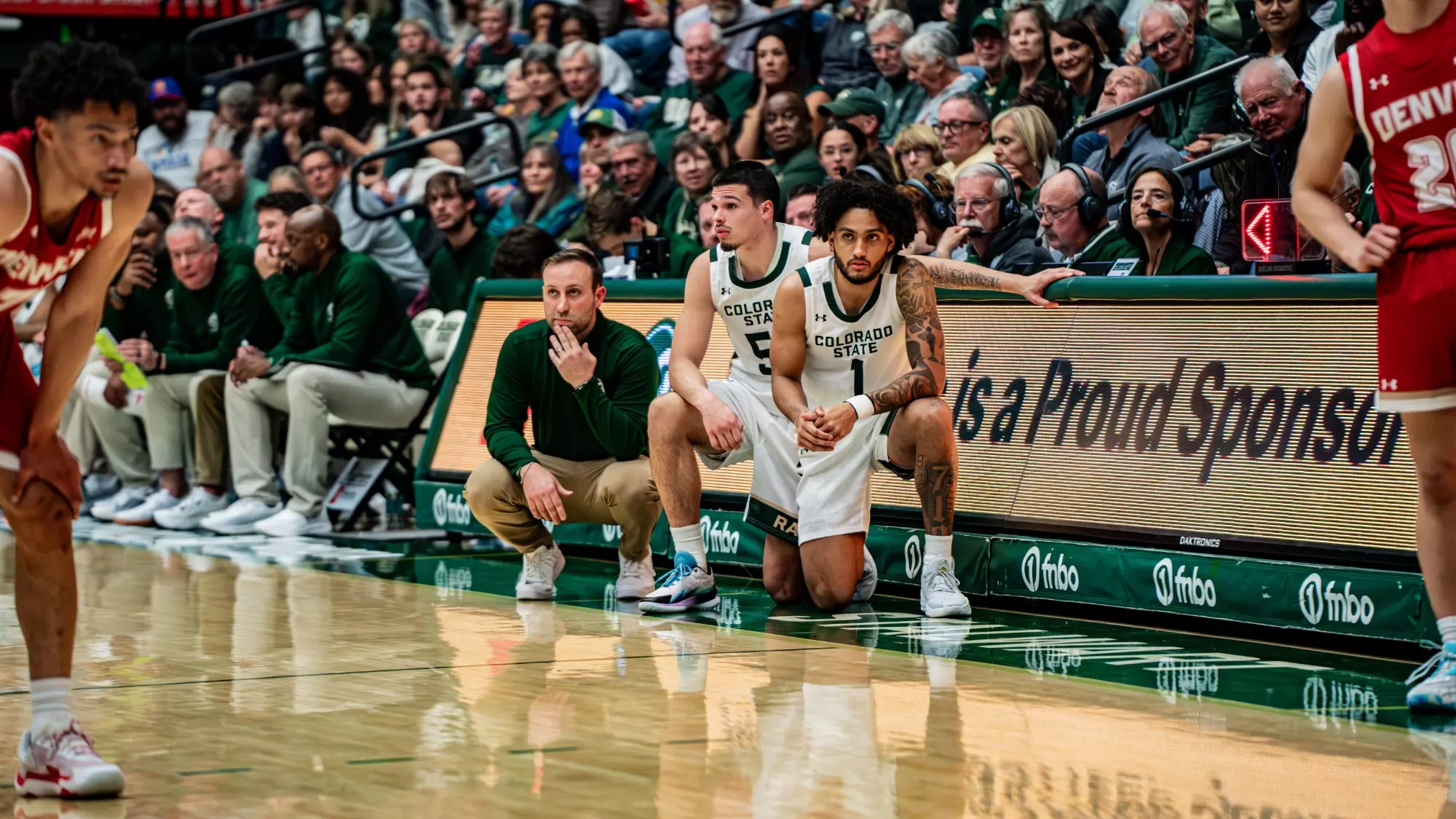
“I think you see more guys going for one year to places,” said men’s basketball coach Ali Farokhmanesh. “It's really not abnormal to go to three schools. I would bet that is more of the standard. People going to three schools than the standard of someone being there for four years. I'd say that's a massive change. And that's why continuity; it's always been king. In the history of basketball, the more continuity you have, the better off you're going to be.”
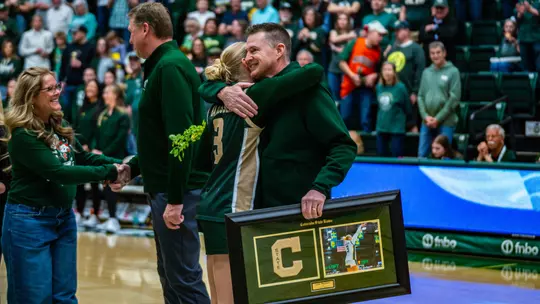
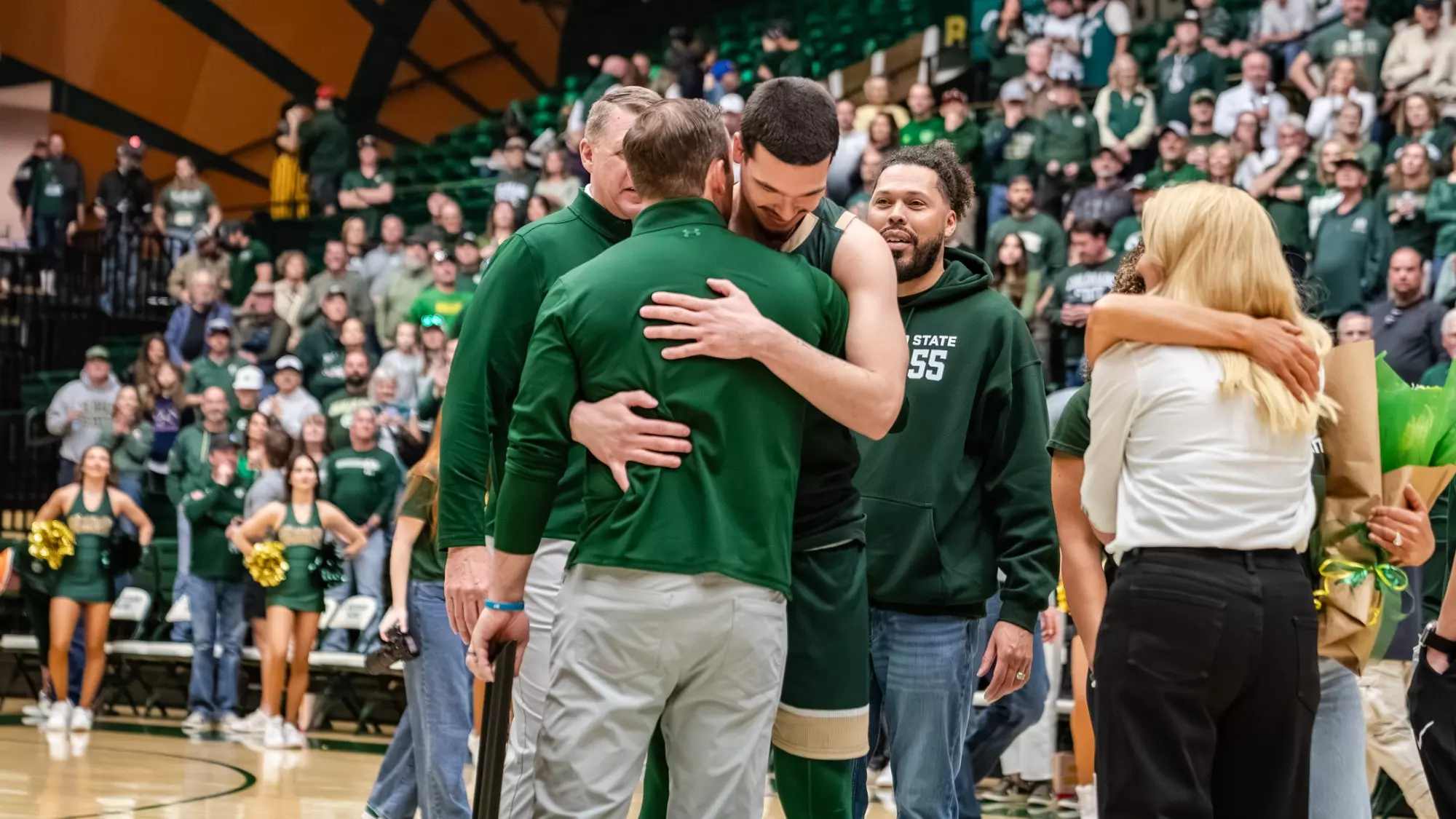
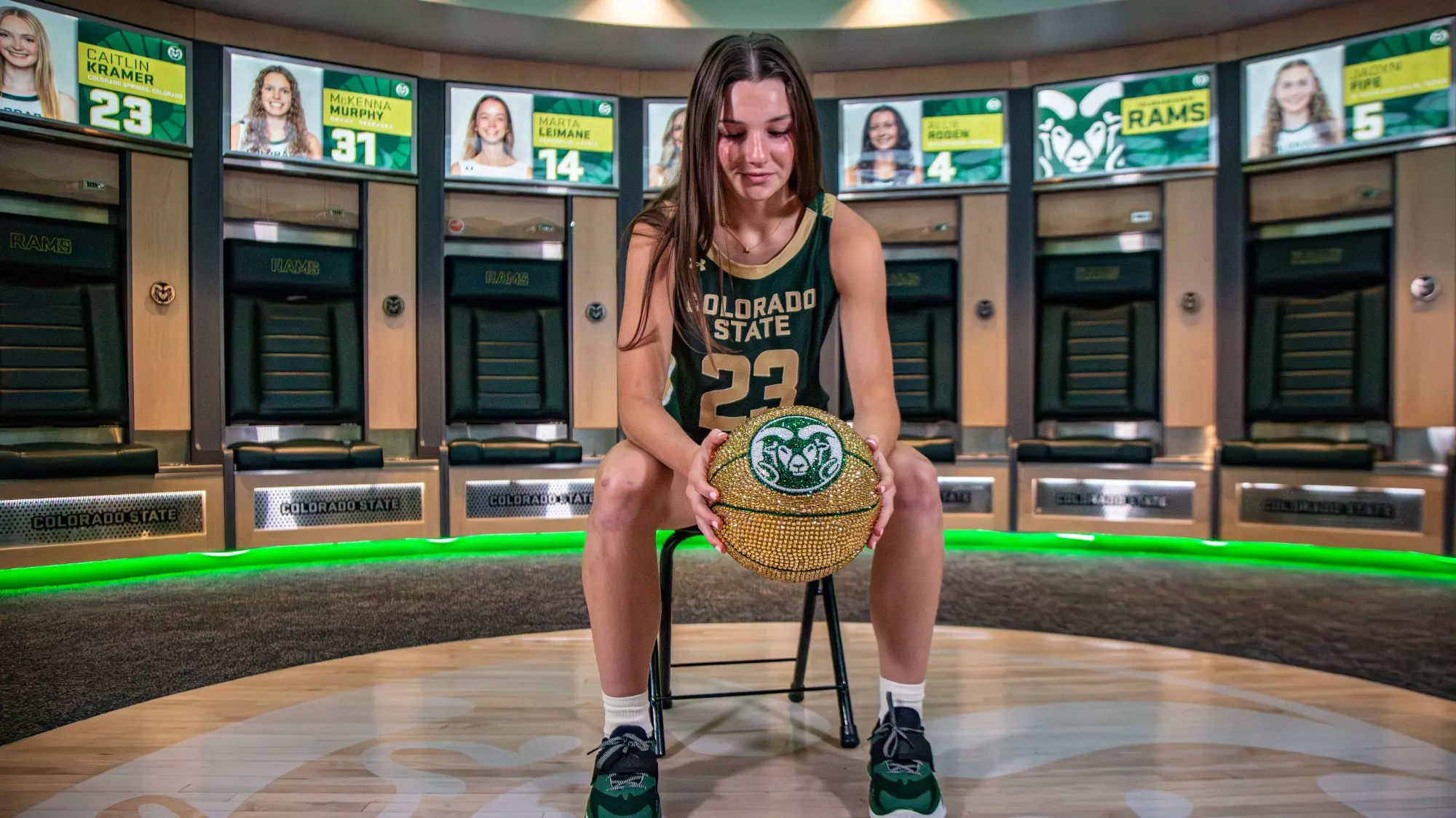
Both Williams and Farokhmanesh have been fortunate in terms of continuity. Williams had three seniors this past season — Marta Leimane, Hannah Ronsiek and Jadyn Fife — in green and gold for their entire college careers. Farokhmanesh has Kyle Jorgensen, a junior stepping into his third year as a Ram, and Jojo McIver, now in his sophomore year.
Leadership no longer falls to the most tenured, but to the ones who chose to stay.
Because when change stays constant, showing up for the little things is what makes a program what it is. Talent can only do so much. Habits, on the other hand, build winners.
“Not that it gets easier, you just get more accustomed to what it takes,” Farokhmanesh said. “Being on time, eating breakfast, waking up five minutes earlier and realizing those five minutes are crucial for me to make sure I'm prepared for the day, make sure I'm ready to go. It's really those habits now that you kind of learned over your freshman year or your first year here, have you really homed in on those things? Because there's not a lot of big changes you make, it's those small little 1% differences that make the big picture happen for you.
“And I think you start to realize that your freshman year a lot, or your first year at a high level, you realize that that is the difference. Everyone's pretty talented. But how do you separate yourself? It's those small little details of how you go about your business.”
Those small differences show up in the way the transfer portal works too.
Because everyone there is shouting that they are looking for a change, but it comes down to if they have the chops to do it. Stats and accolades speak loudly; character sings a quieter tune. But both are just as important.
CSU has already seen what that kind of evaluation can look like when it works.
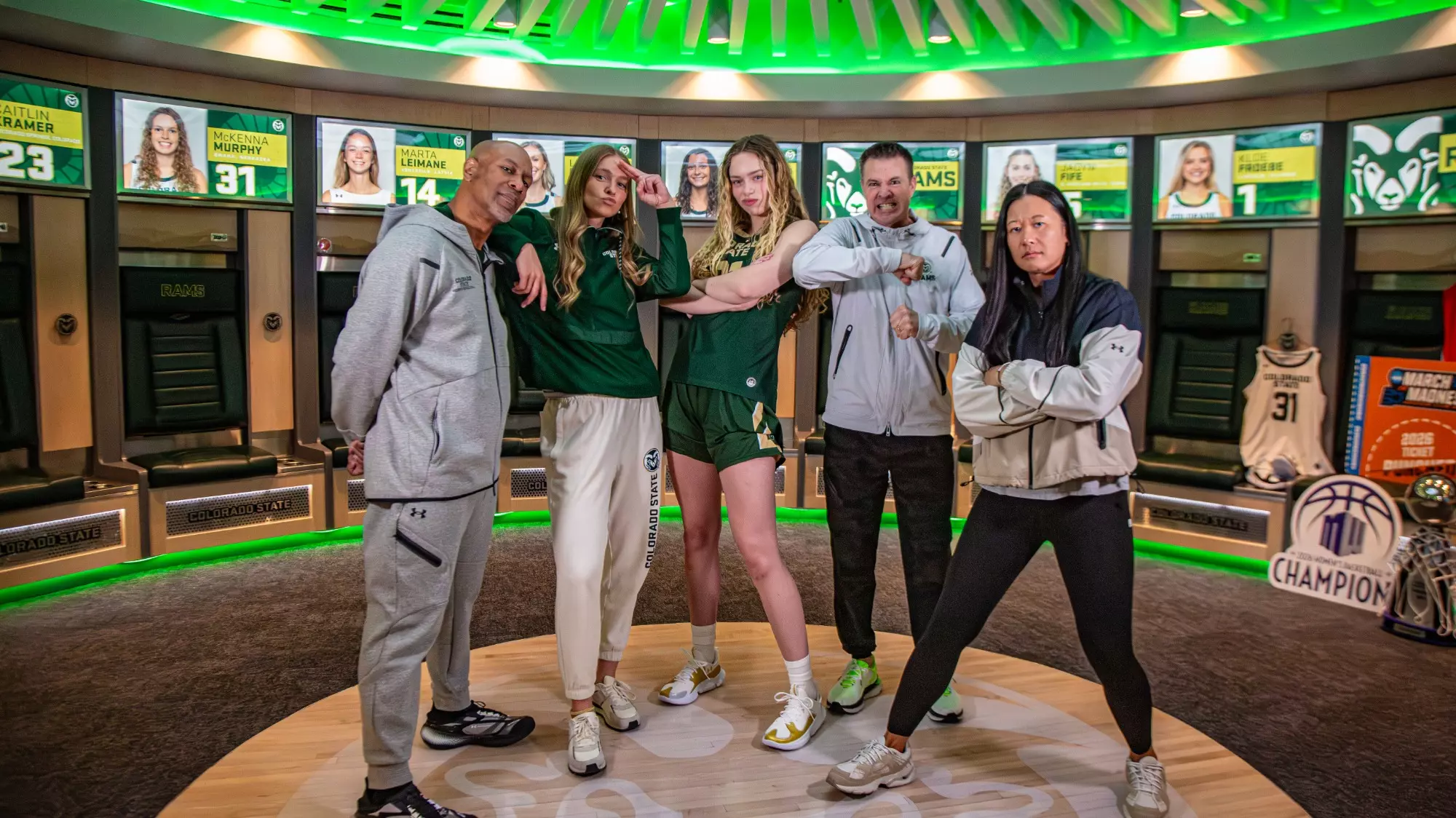
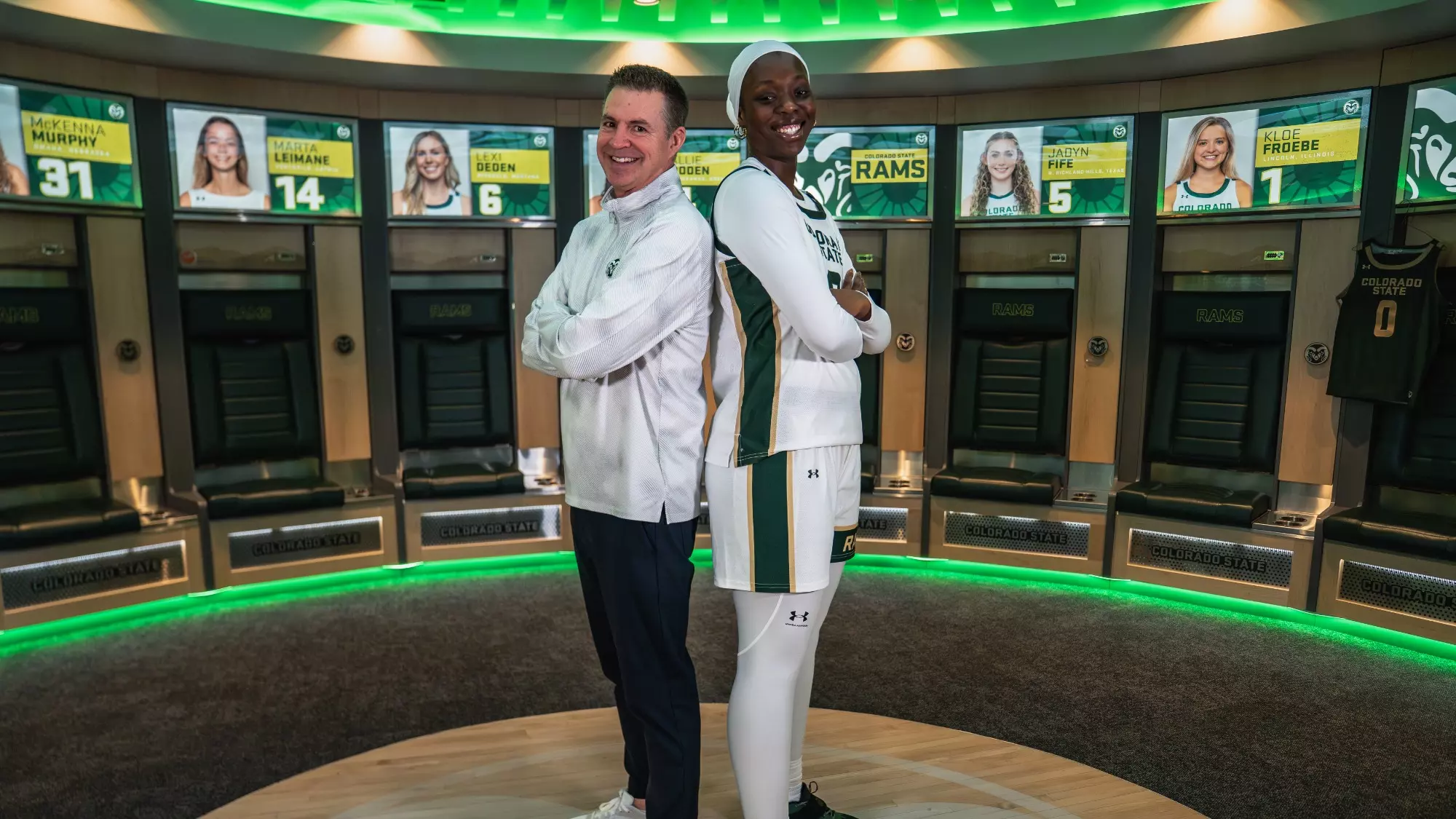
And that's what excites us about these kids returning, is they've been in the trenches with us. They understand the importance of what we need. And that, too, is why this group won a championship.Ryun Williams
Last season, Lexus Bargesser became one of the defining pieces of a team which reached the NCAA Tournament — but on paper, she didn’t necessarily look like an obvious fit when she entered the portal. Her numbers at Indiana didn’t jump off the page, at least not in the way coaches are often trained to look.
“Look at how many 3s she attempted in Indiana,” Williams said. “If you were going to dive into those numbers, you’re probably thinking, well, we don’t want that kid. No way. No way.”
If recruiting lived only in stat sheets, the conversation might have ended there.
But it didn’t.
“But you watch her on film, and you watch what she does on that basketball floor, and how it's not so much how they're using her and what she's doing there,” Williams said. “It’s like what she has and how I would use her. This is what I can do for that young lady. This is what our system can do for that young lady. And then you start putting the pieces together.”
It’s the part of the portal which doesn’t show up in a database.
The numbers might suggest a poor fit. Low volume, limited opportunity, a role which never quite expanded. But film tells a different story. Conversations fill in the gaps. Somewhere between what a player was asked to do and what they’re capable of doing, there’s a version which hasn’t been seen yet.
It takes looking beyond the ones and zeros to see the person.
“At a younger age, I probably valued talent over character a little bit too much,” Burkett said. “But I think now that I've kind of gotten a little bit more seasoned and been around the game a lot longer, I realize that the talent can fade, but the culture is what really instills the fabric of a program. So I think as we evaluate players, you do want the most talented kids that you can attract, but it also has to be bonded with character and making sure that they embrace the program's values.”
Finding that version is the gamble.
The same evaluation lens now extends into a new wave of arrivals. Maryn Archer, Sophie Sene, Camryn Runner and Heiður Karlsdóttir didn’t come to Fort Collins as headline names in the traditional sense, but that was never really the point. Each represents a different kind of projection — not what they were elsewhere, but what they could become inside CSU’s structure. For the staff, it’s the same calculation they applied to Bargesser: not whether the numbers pop, but whether the context was ever right for them to do so.
And when it works, it doesn’t just fill a spot on the roster, it reshapes what a team can be.
“We will never take talent over character and jeopardizing our culture,” Williams said. “And you can tell, we've never done that. We look at stats and things like that; that's the first thing. And then there's a lot of times kids don't have stats. So you can dive into the analytics of the numbers and all that stuff, but maybe it’s because of the opportunity that they lacked, maybe at the institution that they came from, they're not going to have those. So it's hard to gauge their efficiency on a basketball floor. And then now you've got to trust your eyes. And that's where I think our coaches have done a really good job.”
The same instinct applies on the men’s side, trusting what isn’t immediately obvious, even when the numbers don’t tell the full story.
So it becomes imperative to trust your gut. And sometimes it leads you out of what is expected of you. Farokhmanesh has recruited two to the roster this month, Justin Menard from Marist and Amando Miller Jr. from Division II Lubbock Christian.
“Amando's awesome,” Farokhmanesh said. “He's come from some really good cultures, some really good programs. So you know he's been well coached. And that's one of the biggest things with transfers is, have they been in an environment that has enough structure that when they do come here, it's not a big change of pace. There's always changes, but it's not a complete overhaul of what they've been used to.”
And like any stretch of open land, not every opportunity comes from the outside.
Some of it is already there — waiting, developing, biding its time until there’s finally space to step forward.
“We've got some kids who are biting at the bit to get on that floor that either redshirted last year or maybe didn't get on the floor because of the experience that we had out there,” Williams said. “And so, that excites our coaches. I think the kids that really thrive in it are the kids that really understand how we go about our business day to day. And that's what excites us about these kids returning, is they've been in the trenches with us.
“They understand the importance of what we need. And that, too, is why this group won a championship. It just bugs me that everybody does the portal watch. Well, let's watch these kids that are freaking here, right? Let's level on those kids and celebrate that. So tough juggling act, so to speak.”
The portal may feel like a free-for-all, a constant churn of movement and opportunity, but the programs that navigate it best aren’t the ones chasing every name that enters it. They’re the ones who know what they’re looking for before the search even begins.
Because for all the chaos it brings, the formula hasn’t really changed. Talent still matters. Fit still matters more. And culture, something which lives in the players who know what it takes to get there — the thing which can’t be measured or rushed — is still what holds everything together when the roster inevitably shifts.
The Wild West was never meant to be permanent. The movement, the uncertainty, the constant searching, it all led somewhere. Eventually, people stopped drifting. They found something worth staying for. They built something.
That’s the challenge now.
Finding a place to settle in a game which is constantly in motion.
Support Colorado State Athletics: Tickets | Ram Club | CSU NIL Marketplace