
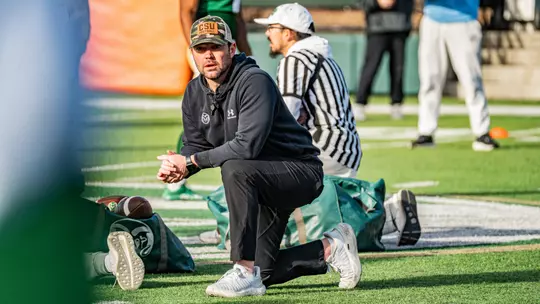
Getting on the Same Page
Defensive staff cohesive in building plan
Mike Brohard
Put a group of football coaches in a room together and they’re happy. They’re going to talk ball. Share experiences. Brake down concepts. Explain their influences
Tyson Summers’ office has been the setting for plenty of those chats, including some which are no longer valid. An initial staff was put together, then people left and new faces replaced them. More talks.
“Jordan's a great example. I've never met Jordan,” Summers said, referring to Jordan Frost-Dixon, the Rams’ new linebackers coach. “You know, we jumped on a Zoom interview to start talking and listening to his background. He's done a great job and is super smart, demanding on those guys.
“I've kind of always said this when it comes to coaches -- I've never been one to walk in and say, you know, well, hey, I've got my people or I've got this or I've got that. The best coaches I've ever been with are guys I inherited.”
Summers remained as Colorado State’s defensive coordinator, but coach Jim Mora had some people he wanted on staff. Kenny McClendon, now the co-defensive coordinator and in charge of the defensive line was one. He comes from Connecticut, as does Mickey Grace, and Jackson Mitchell.
All of them, no matter where they were from last year, are all a product of their influences, be it as coaches or even players. Summers is no different. He’s not the same coach he was when he started, and he won’t be the same guy 10 years from now.
The game evolves. So do offense. Coaches must as well, and his willingness to take in information and ideas from other places is the base of what can lead to a successful unit.
The first step is talking it through.
“It's been a blast. I think first thing with Coach Summers is he's extremely collaborative,” McClendon said. “I think he's just like Coach Mora, where no one cares about who their idea comes from. It just boils down to we just want to be successful, and we just want to do what we can to put these guys in the best position to be successful. I think we're blessed enough to walk in, just like other places I've been, we all just want to go in there and be successful, so we're going to do whatever it takes to be successful, whether that's changing schematics, changing a word, whatever.
“It doesn't really matter. Our first thing is the players, and every coach in that room, starting with Coach Summers, embodies what Coach Mora says: It's about the players, and we're going to do whatever to make it easy, simple, so they can play as fast and as physical as possible, especially on defense.”
In the build up to spring camp, multiple ideas were shared among the defensive staff, and Summers was particularly interested in what took place at UConn. As he noted, a lot of it is out of the “Rocky Long tree,” one of the most respected pieces of timber in the sport.
All the while, the players they brought in were developing in the weight room in preparation for the first week of spring camp. Those three practices helped shape the final 12, which will resume next week once spring break is done.
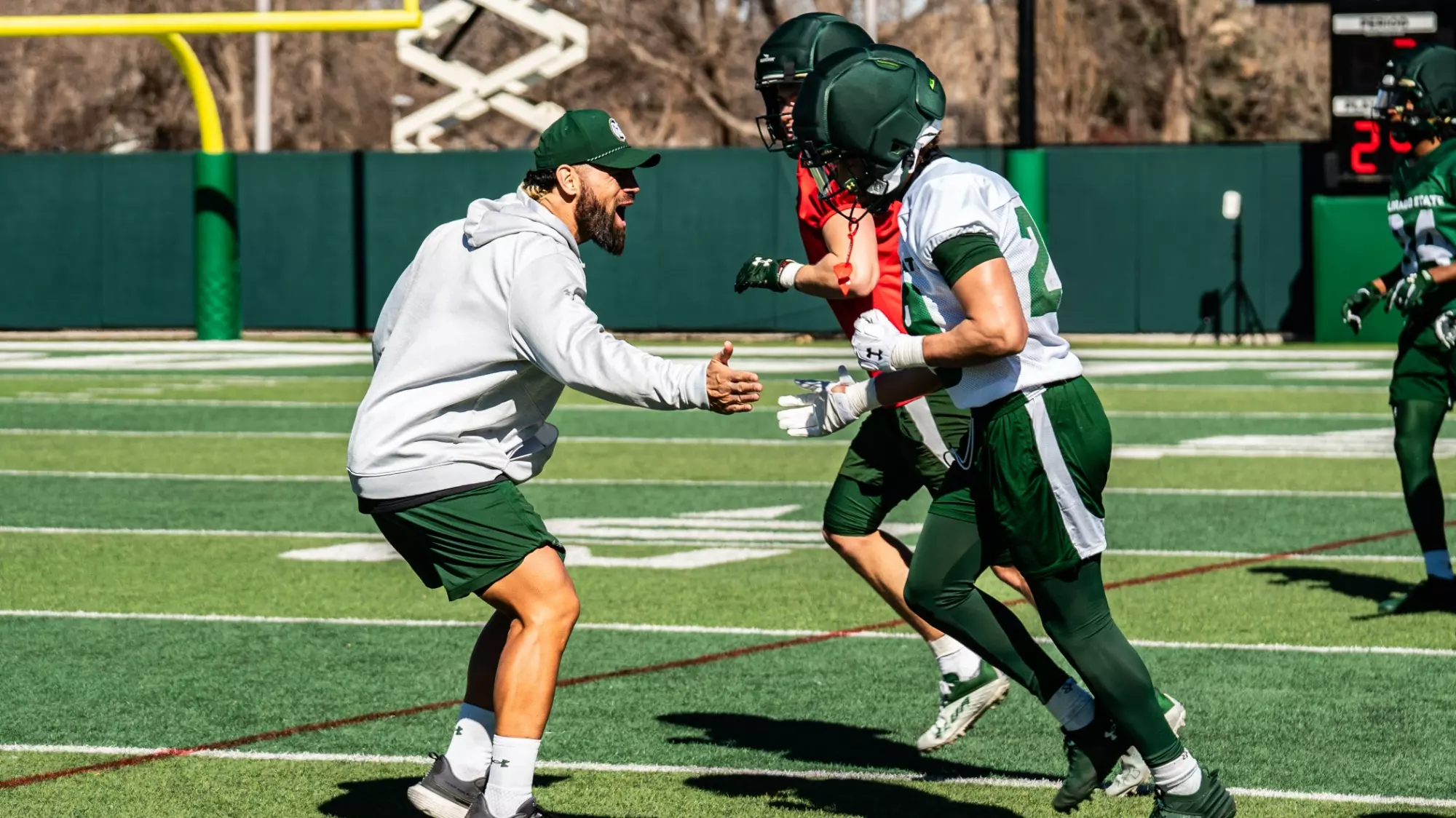
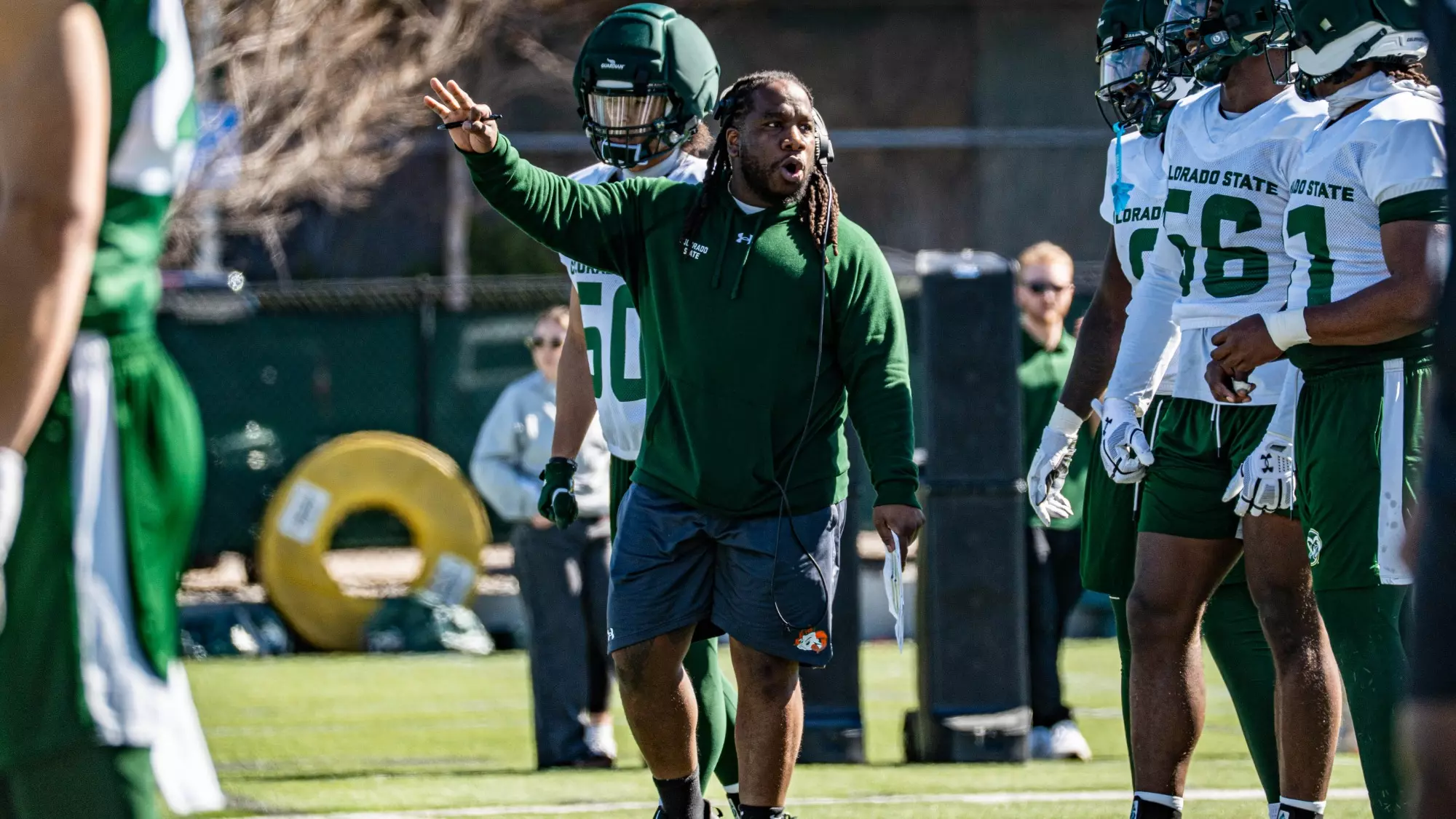
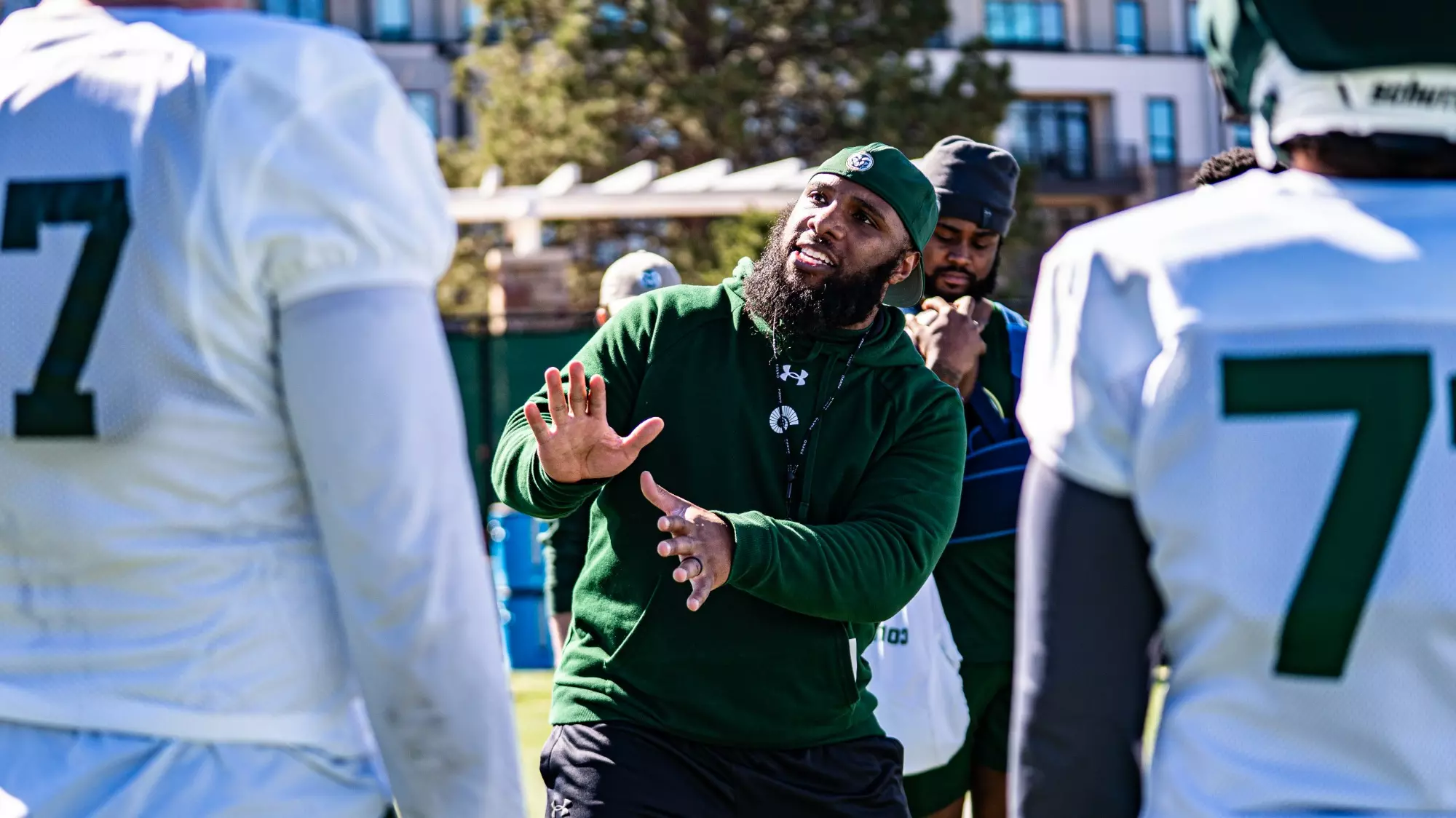
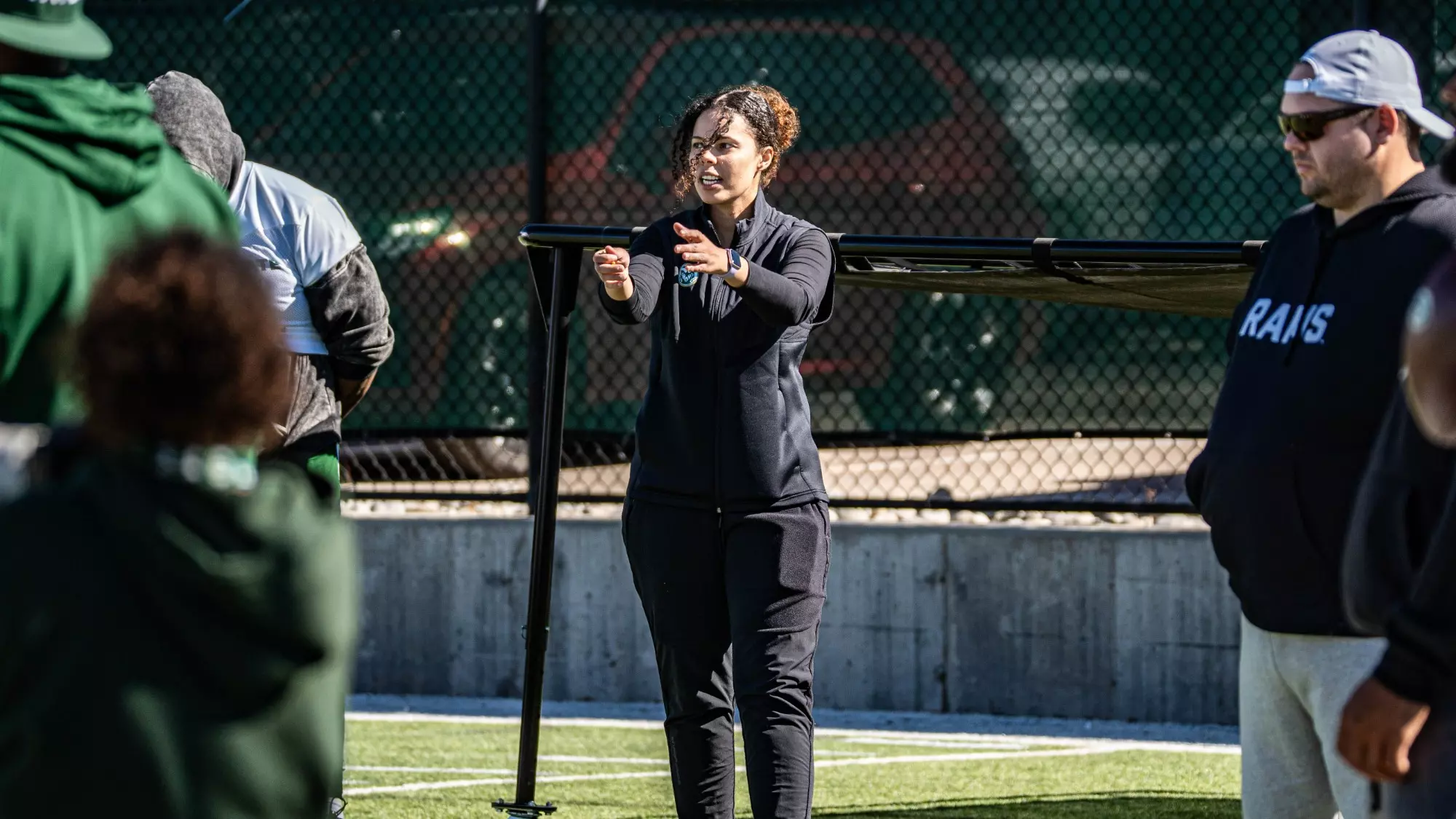
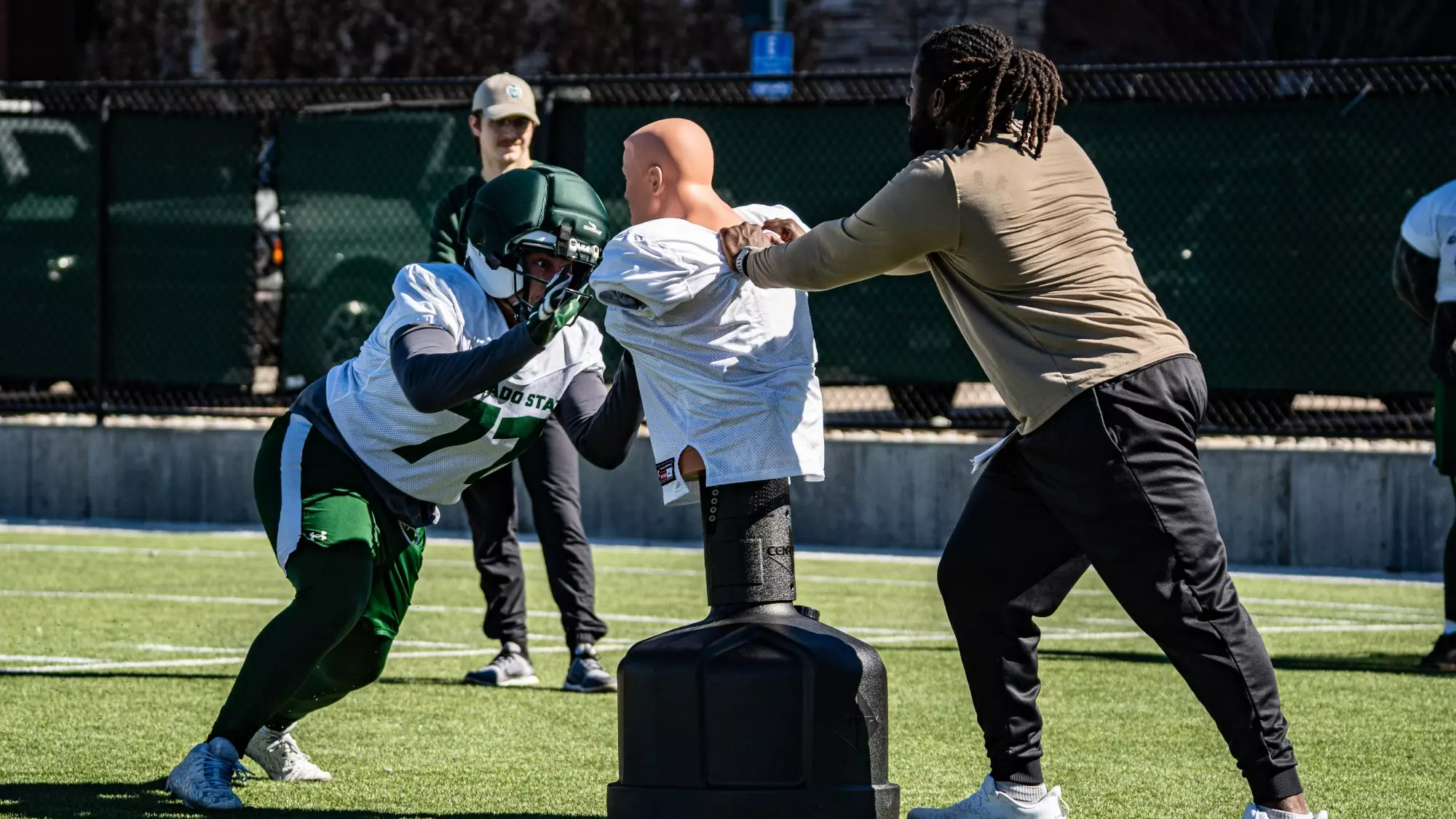
I think that's the biggest thing is everyone has great ideas.Kenny McClendon
To coach them, the staff has to coach themselves. To be on the same wavelength with what they’re teaching and how they instruct technique, use the same vernacular.
“I think before we get to them -- and Coach schedules it, he does a great job to put Coach (Shelton) Bynum and those guys to really learn, especially how we came in. We got here, really get those guys and get those guys working the right way in the weight room, and we take that time where we'll go see what they're doing, but we'll take that time to all get on the same page because you're 100% right,” McClendon said. “There's a bunch of different ideas where we can't just sit in that room and just throw every idea in the world at the board.
“I think everyone has seen a different way working, and I think we had to figure out -- and we've done a good job of figuring out -- what works for us. I think that's the biggest thing is everyone has great ideas. Just because you did it at a previous place, just because we've done it at a previous place and had success, which is great. Well, we've had success doing other things as well. We just want to make sure what is good for us, and if we understand what's good for us and we're all speaking the same language, we can easily educate our players and educate those guys, and they'll be able to do it.”
Spring camp is divided by having this week off before it resumes in earnest again, and the first three days gave the staff a chance to see things in person. Recruiting someone from the portal shows them who they were, not necessarily who they are. How hard can they be coached and how receptive they are. Even familiar faces have changed, rewiring how the coaches think.
Brandon Kelly was a known commodity to the coaches from Connecticut, not to Summers. Kelly was third on the Huskies’ depth chart, but in just the brief time of an offseason – about eight weeks – he’s changing minds.
“One of the guys who stuck out to me is BK. You know, a guy that was third string at UConn, and he was 230 pounds. Now he's up to almost 260 and he's 6-foot-6 and he runs like a 4.8,” Summers said. “Guys like that are all of a sudden now, when you start talking about packages, he can do anything. So we're in reg (Thursday), and you’ve got him and Kenyon (Agurs) are your two edges. They're both 6-6ers, both right around 250 to 260, and then you look inside, and you go 280, 300, 320. Those are just things we didn't have a year ago.”
The makeup of the roster has changed dramatically. So has the group who is in charge of finding what they do best and designing a system which works. They are aligned with a plan which is simpler, but just as multiple to combat the varied offenses they will face.
Summers has never been shy about talking about his “scars,” the lessons he’s learned and how they have shaped him, a fact McClendon admires. He says the entire staff has them and the willingness for the group to view them as strengths will only help the overall product.
They, like the players, will step away from it all this week physically. Mentally, they’ll be thinking. About what they witnessed on the field and how to use it. They’ll do some from a position of strength, knowing they’re all on the same page, understanding one thing or another will flip it.
But they’ll turn pages together. They’ve taken what they’ve all learned elsewhere and found a blend.
“We've been really intentional about putting in base defenses that we feel real strongly about and really trying hard to work at fundamentals and techniques that apply to those." Summers said. "This next week is really the opportunity to say, ‘OK, we've got all these toys, what are we going to do with them?’
“That's where we'll have a lot of new installs that go in, get new packages, over the course of the next three weeks, and that's what we've been working hard to kind of get ahead and say, ‘hey, we think these people and this personnel package and what we're trying to do off of it.’ But a lot of that, we have talked about it even though we haven't installed it, and then we've got a lot that we've got to go over the course of the next week that we're going to get ready for when we get back for the second week and third week.”
Put a group of football coaches in a room, and they’ll talk. They’ll share. They’ll also collect data, use their eyes and devise a plan. Better yet, they’ll collaborate to find a pathway to success.
Support Colorado State Athletics: Tickets | Ram Club | CSU NIL Marketplace