
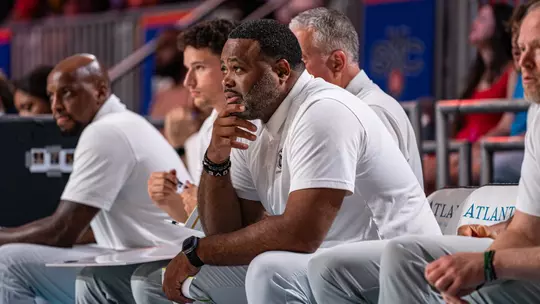
Family Ties in the Games’ New Era
Relationships built years before Fort Collins are guiding the Rams through a new age
Liv Sewell
Finishing doesn’t mean finite.
Because while pursuing the end, it becomes ever more obvious there is something beyond the horizon — another opportunity waiting to be found and taken.
Colorado State basketball talks a lot about what it means to finish: at the rim, within the flow of a play and in the quiet focus of the film room. Each demands its own kind of attention, possibly its own brand of obsession. You don’t make it in Division I athletics without it.
Having someone on the inside who understands the mindset makes all the difference.
An idea which hangs heavier this time of year as the Rams approach their final Mountain West Championship tournament in the conference. Not long ago, now head coach Ali Farokhmanesh stood on the same sideline in a different role, helping guide the Rams to their first conference title since 2003 in what became Niko Medved’s final season.
Now the faces are different, the responsibilities sharper and the path forward less certain — a familiar place learning how to feel new again.
So when he began building his staff last year, he looked toward familiar ties — people who shared the same vision. Not family by blood, but something close to it.
“We talk about family whenever we break huddles,” Farokhmanesh said. “But I think when you actually live it and you have people who've been with you and known you for multiple years, it's hard to argue that word is more than just something you say. It's something that you live every day. And I think that's the best part — that's been family for me. And so to now have it as a part of this family, it is special.”
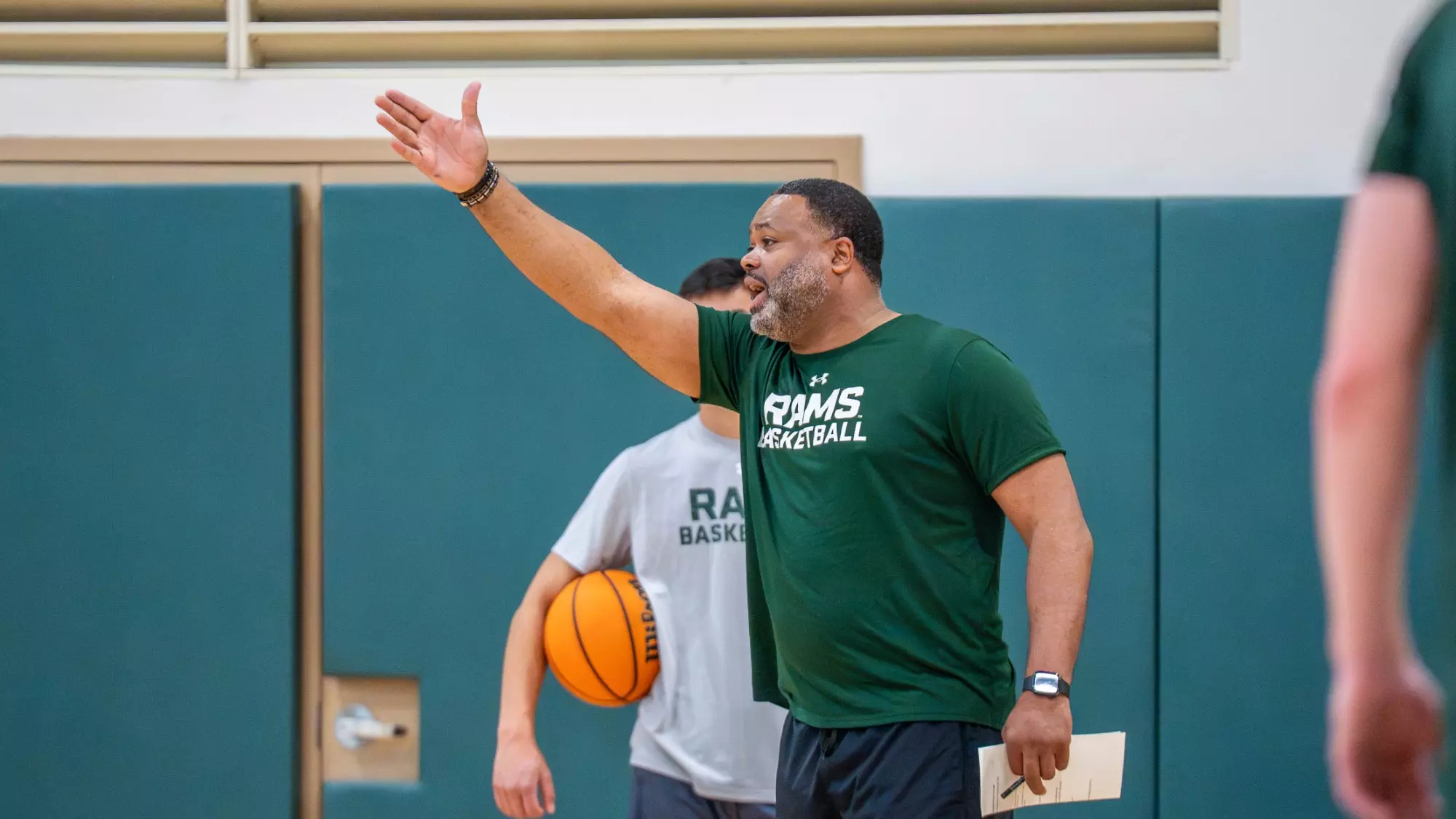
The family now includes someone who knew Farokhmanesh long before March Madness fame and DI coaching stops: Jimmie Foster.
Foster coached Farokhmanesh when he was in his late teens. At the time, the two were separated by only about 10 years in age. Now, their roles have shifted.
“It was kind of surreal because, honestly, it's usually the former player who comes back to work for the coach,” Foster said. “It's such a good switch, but it's pretty unique. And like I said, it's a family atmosphere. He always said a number of great things about Fort Collins. So when the opportunity came about, I didn't need to take a visit. I trust him.”
A trust which stayed in the background as their paths diverged but eventually circled back to the same place on the bench.
Long before job titles shifted and resumés filled, their relationship lived in the quieter spaces of the college game — in phone calls for advice and shared stories about kids growing up. Foster had seen Farokhmanesh as a teenager still learning how to carry himself, still figuring out how his game, and his voice, would fit at the next level.
But even then, there were signs.
“When you coached him, you knew he was going to be a coach,” Foster said. “He comes from a bloodline of coaching, and those were things he already had as a player. He was always thinking outside the box or thinking next play. I always knew he was going to do a tremendous job in his profession.”
Farokhmanesh processed the game differently. He asked questions others didn’t think to and studied not just what happened, but why it happened and what might come next. Foster remembered a player who treated possessions like puzzles and practices like classrooms.
Years later, the same curiosity shapes how Farokhmanesh leads. It shows in the way he invites conversation rather than shutting it down. A trait Dave Pilipovich — often described as the coach for coaches — believes separates good coaches from lasting ones.
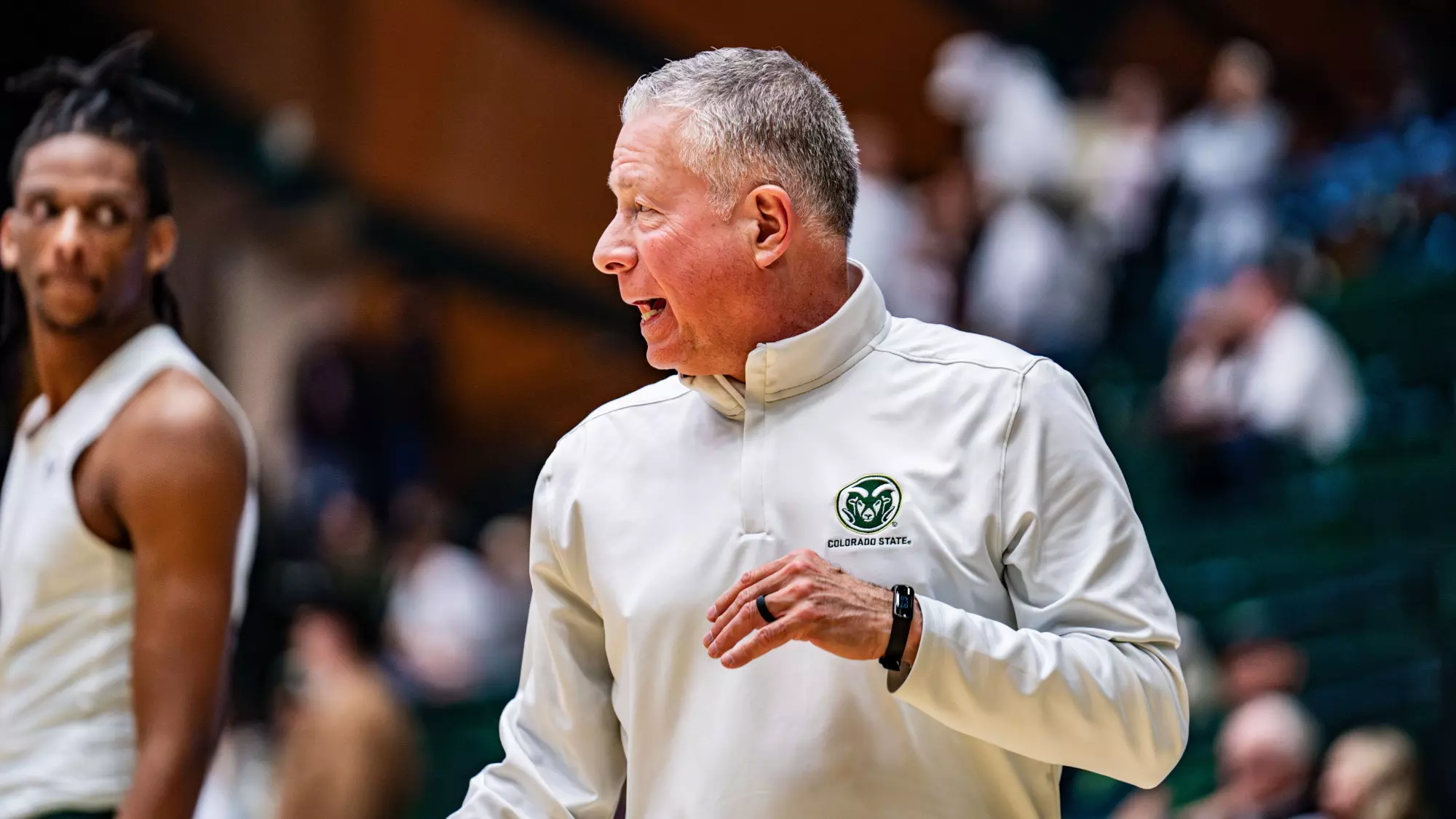
“He has a great ability to listen,” Pilipovich said. “A lot of coaches will talk right away or criticize right away. He listens, then he explains, and it doesn’t become confrontational. You get to the point a lot quicker, and your relationship becomes a lot stronger. Otherwise, you never close that gap, you actually expand it.”
Staffs often talk about chemistry the same way teams do, but chemistry cannot be manufactured through meetings or mission statements. It grows from shared experience — from knowing how someone responds to adversity, how they teach and how they listen.
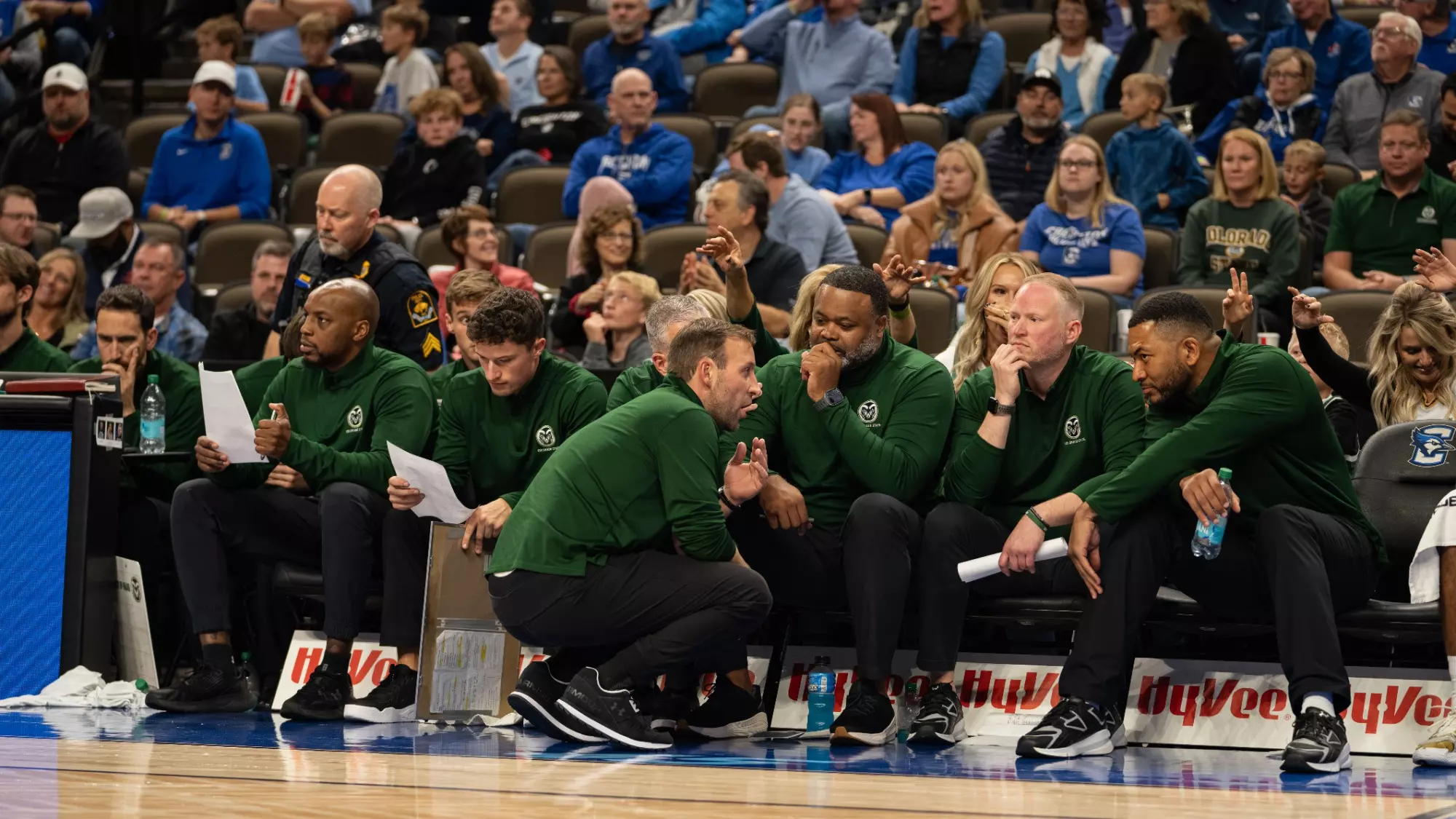
Farokhmanesh didn’t just hire assistants. He surrounded himself with people who understood his voice long before he stepped behind the plaque on the door. For one, Pilipovich, whose decades in college basketball provide a different kind of steadiness. A calm which comes from having seen nearly every situation unfold before.
“He helps with all the blind spots you don’t see,” Farokhmanesh said. “There are times where he just encourages me, and that’s from him being in that spot. He realizes it can be lonely. You’re not on the inside jokes anymore. When you walk by the office, it gets a little quieter. That’s changed for me, and I think Dave knows that nuance as a head coach.”
Where Foster represents familiarity with Farokhmanesh’s past, Pilipovich offers perspective shaped by time.
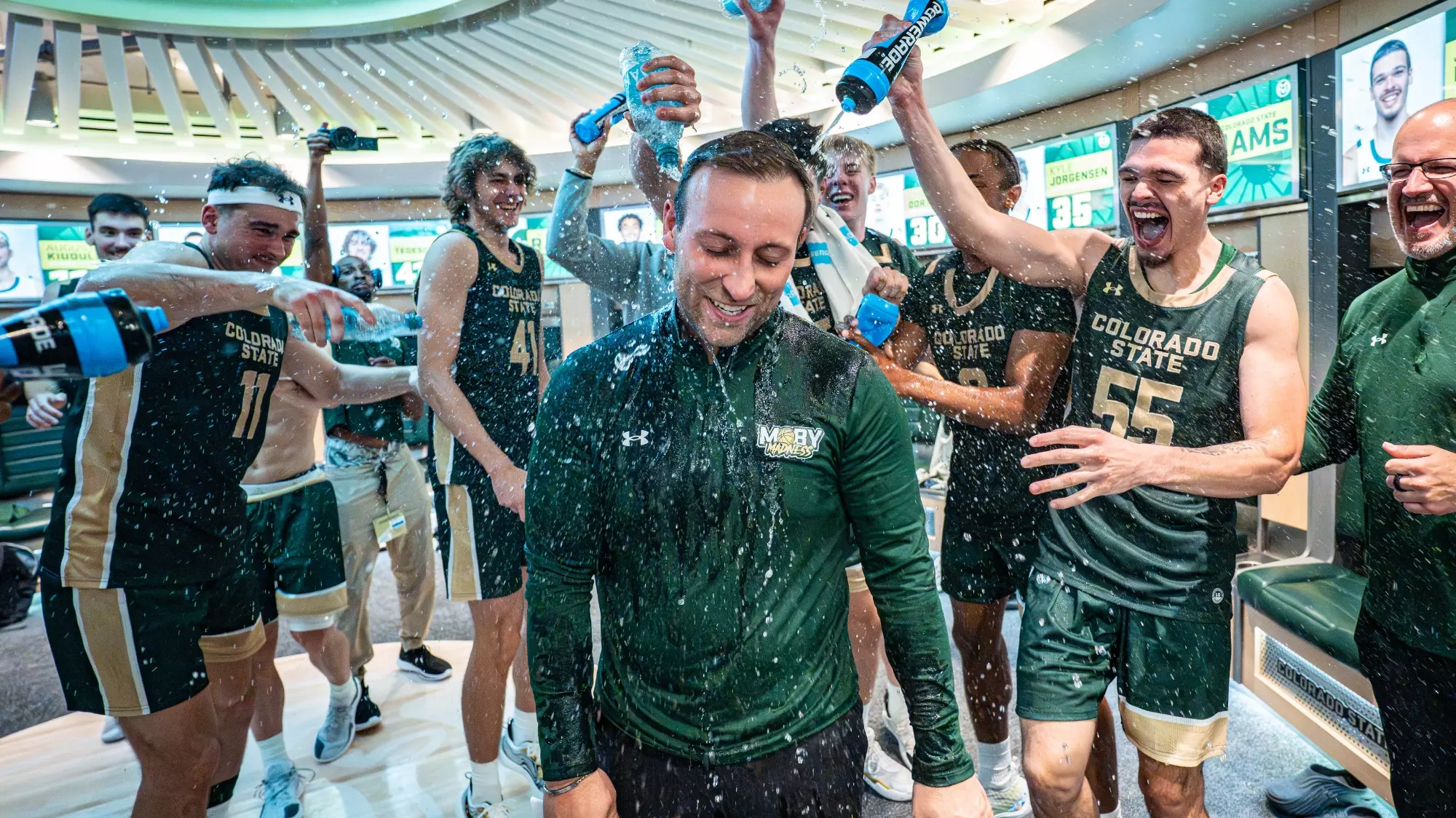
Sometimes you can’t grow until you have some suffering. You’re never as good as you think you are, and you’re never as bad as you think. You’re somewhere in between.Dave Pilipovich
He understands how fragile momentum can be. How quickly confidence can swing. How leadership can feel isolating, even in a crowded gym. And he recognizes the invisible weight carried by first-year head coaches navigating expectations when fans are quick to judge.
“Sometimes you can’t grow until you have some suffering,” Pilipovich said. “You’re never as good as you think you are, and you’re never as bad as you think. You’re somewhere in between.”
The in between stays uncomfortable but the most growth often happens in those hard moments. Because it requires trust in those around you. An understanding that when challenges surface, the response will be measured rather than reactive.
And growth, like finishing, is rarely tidy. It’s less about a clean ending and more about pushing through resistance.
“How much can you stick together through that little bit of adversity?” Foster said. “That’s what it comes back to. You’ve seen it before when you’ve coached this long. You’ll have some bumps and bruises. Somebody may be hurt or somebody may be sick, but it’s always the next-guy mentality. How can we help each other so we can come through with a common goal?"
Because tumultuous times befall any family. Especially the ones who contain so many new members. Theres no predictability involved when it comes to the convergence of new players, injuries and schemes.
So sometimes you have to take it one day at a time. Taking a break to marvel at what has come out of the meeting of so many different perspectives.
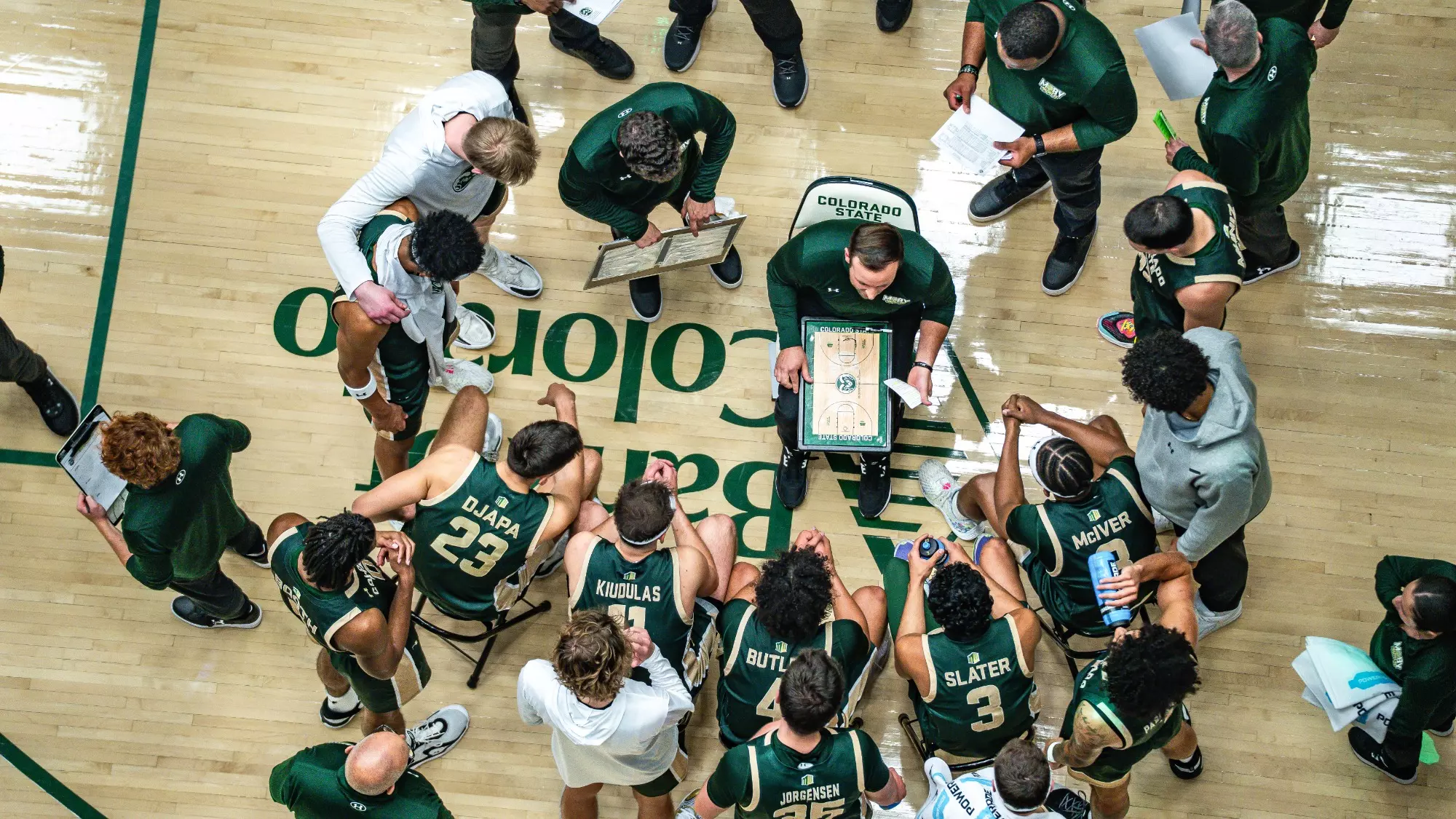
“We're trusting our process,” Pilipovich said. “We all came from different paths and different walks of life. But we're doing what you used to do in four years, in eight months. It's hard to do, but their willingness, the coaches to the process, we've never wavered from it. We were 3-8 at one time, now we're 11-9. I think we're playing the best basketball this team can play at the most important time.”
Because the moment rarely waits for you to be ready.
It stumbles. It recalibrates. It demands reflection before progress becomes visible. Yet within an uneven process lies the quiet beauty of sport: the chance to begin again without discarding what came before.
“It's the same place but everything's still new,” Farokhmanesh said. “Half the staff is new; half the players are new. And I'm also new in the position I was in. It was like that era had to end for the next to begin. And, eventually, it was this new starting spot.”
Leadership alters even the most familiar spaces. The relationships remain, but the vantage point shifts. A coach who once stood shoulder-to-shoulder with assistants now occupies a different place in the room — still part of the conversation, but now responsible for the direction it takes.
For the Rams, the idea of family isn’t decorative language shouted at the end of huddles. It lives in the connective tissue between past and present, in relationships which survived role changes and distance.
“I never thought I'd get to this point,” Pilipovich said. “I've been blessed at all the places I've been, all the people I've worked with, all the teams, all the amazing players and coaches that I have been around. It's been fun and it's been exciting.”
Roles shift, relationships evolve and the same hallways begin to feel different depending on where you stand. A former mentor becomes a colleague. A young player becomes a louder voice. A shared history becomes the foundation for a new future.
None of it unfolds exactly as imagined, but it sure is exciting.
“When I got the call, I was ecstatic,” Foster said. “I was shocked because it speaks a lot for him to give me one of the first calls when he got the opportunity. Because I want to see him make progress in this business. And, you know, where I was at, I was there for 10 years, and it was a good time. But when you get an opportunity to work with a former player. That's a family atmosphere. It’s too good to pass up.”
Moments like those don’t announce themselves as something life-changing but simply feel like the next step to be taken.
It’s easy to get lost in the present or the future. They’re comfortable places — full of the next game, the next moment, the next step. Looking back doesn’t always feel that way. Sometimes the past holds things long tucked away, things you thought you’d already finished with.
But reflection is often the only way to see how far a story has traveled, and how strangely it can loop back on itself. Paths cross again in ways no one predicts, folding old roles into new ones, reshaping relationships which once felt settled. What seemed like an ending — a chapter which closed years ago — comes back around as something different, something fuller, something which feels almost impossible until it’s right there in front of you.
And maybe that’s the truth hidden in every finish: it rarely stays finished.
Sometimes it’s just the moment before the next chapter begins.
Support Colorado State Athletics: Tickets | Ram Club | CSU NIL Marketplace